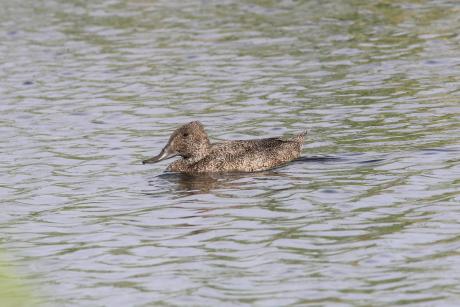
Recording a Rakali Sighting at Narrandera Wetlands
 Narrandera Landcare started doing quarterly bird surveys at the Narrandera Wetlands 18 months ago and we are very appreciative of the help Alan and Nella give us to compile the surveys. We use the handy Birdata app and usually record around 30 species. Our last survey was 2 July 2020 and we observed 31 species.
A lot of the usual waterbirds (Egrets, Spoonbills and Herons) were noticeably absent but the woodland birds were abundant. The results can be seen here http://birdata.birdlife.org.au/survey?id=3159913&h=3dde711d
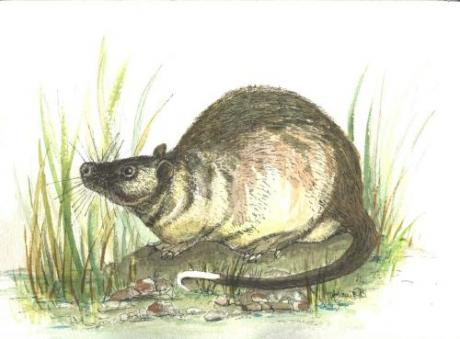
Whilst walking around the Wetlands looking for birds both Alan and Nella observed an Australian Water Rat swimming around and Nella said it rated as a “significant sighting”. I didn’t see it and couldn’t get a photo.
Later that day I pondered the best way to somehow report this sighting – iNaturalist didn’t seem the best platform due to the way it’s structured (you basically need a photo). “Bio-collect” didn’t seem right either, so I looked up the Australian Platypus Conservancy website https://platypus.asn.au/, who are also interested in Water Rats. Their sighting form was easy to fill in and submit, and I got a very appreciative email thanking me for the observation. It included an attachment with information on Hydromys chrysogaster or Rakalis.
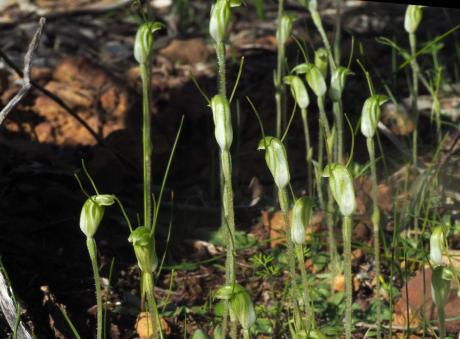
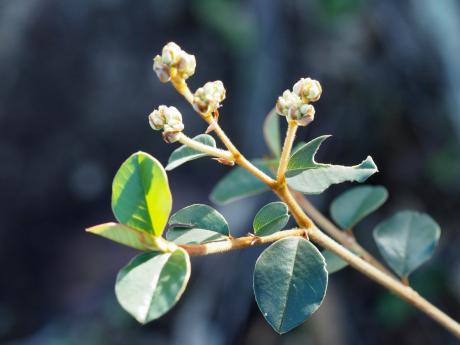 When John Oxley passed this way in June 1817 he wrote in his diary “We saw no game with the exception of three or four kangaroo rats, many beautiful small parrots were observed, and as barren as the scrub appeared to us, yet our botanists reaped an excellent harvest here. We passed over a rugged, barren, and rocky country for about four miles and a half when we ascended a hill upon our right which promised a view in all directions. To the southward, south-west and even west the country was a perfect plain, interspersed with more of those dreadful scrubs”. This may not have been Mt Caley or some hill nearby but it does indicate the toughness of the country with the impenetrable Cypress Pine and Acacia that he encountered but also the great diversity of plants found on the hills. He was however looking for grass and water for his horses to keep him going which appeared to be scarce. He called Mt Cayley Cave Hill and we should have looked under the ledge at the cairn for that cave.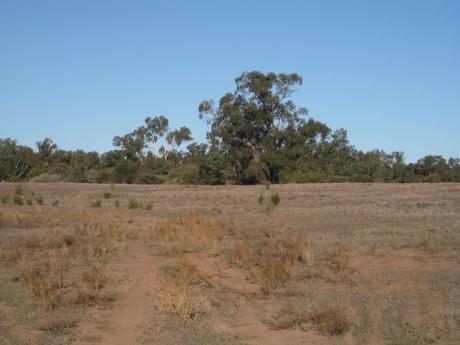
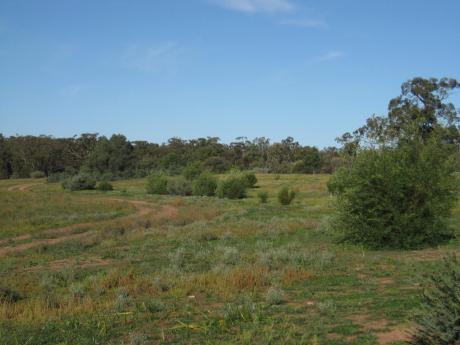 Recently I ventured to the Sandhills Rehabilitation block in MIA I - it being almost in my backyard. MFN did a fieldtrip there in May 2018, and we noted how the direct seeding done in 2015 was progressing, and we wandered around the early 2000’s planting of tube stock by NSW Forests. Back then we could see some success with the direct seeding and generated a limited bird list from the older plantings on top of the hill.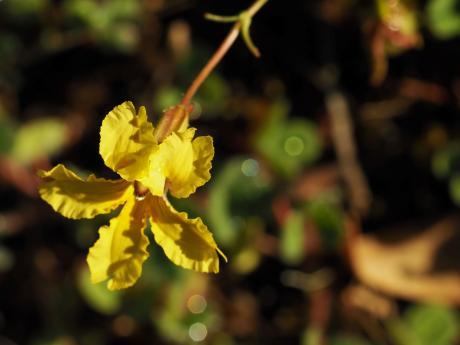
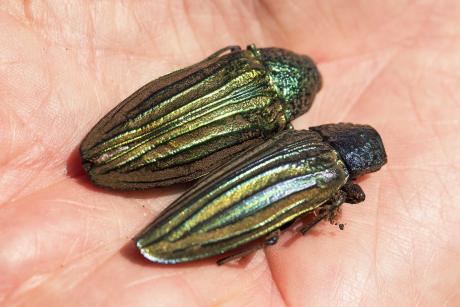
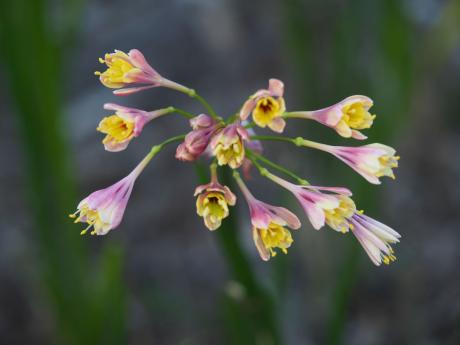 These sunny autumn days are great to explore the natural areas around Narrandera. The wonderful thing is that you don’t have far to go just to get to the Flora and Fauna reserve (the Common) and the Narrandera Regional Reserve with the Murrumbidgee River floating past.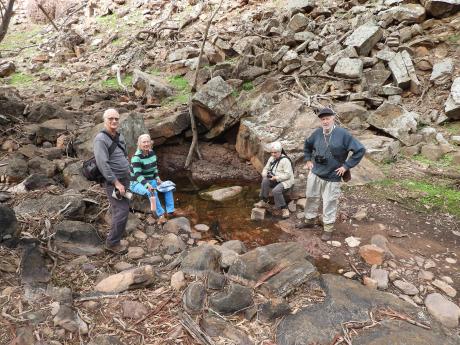
 We all, for the first time this year clad in jumpers and jackets, assembled at 8.30am at Yenda for our Cocoparra Ranges outing on Saturday, March 13.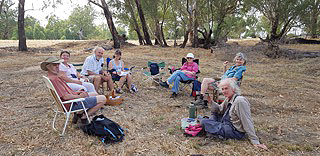
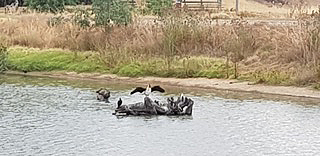 Long time MFN member from Griffith, Melanie Baulch has put forward the proposition for forming an affiliated group in Wagga Wagga. After moving there a few years ago she hasn’t found a group that fits with the way she likes to see nature so wants to rectify that and become part of MFN. Field naturalist groups are quite unique. It is proposed to have a sub-committee with a vice president and other positions to organise events around Wagga. Current members will be encouraged to participate in these activities. This will be a similar setup to when Griffith held meetings and organised outings.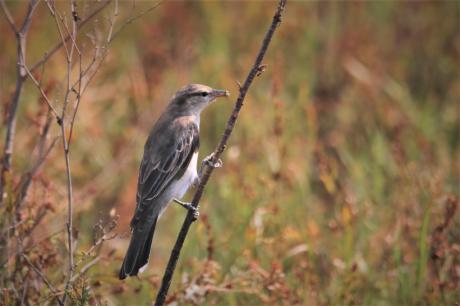
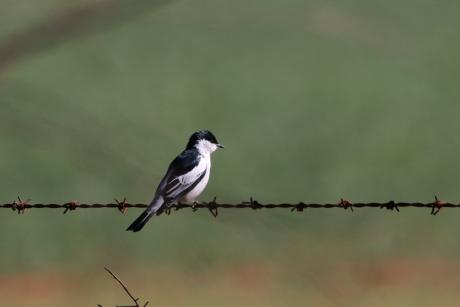 It is always of interest to notice how birds move within Eastern Australia at various times of the year. In this article I am not referring to the Migratory Wading Birds that we know about but local Australian species.
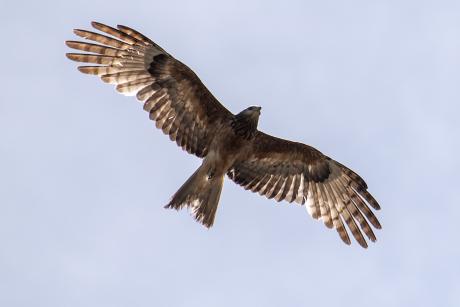 On November the 16th a group of us gathered at the Lions park in Darlington Point in preparation for an excursion into the Murrumbidgee Valley National Park at the Cuba entrance. It was a very cool morning for the middle of November so there was some exchange of jackets before we headed the couple of kilometres back toward Leeton to the Cuba Forest.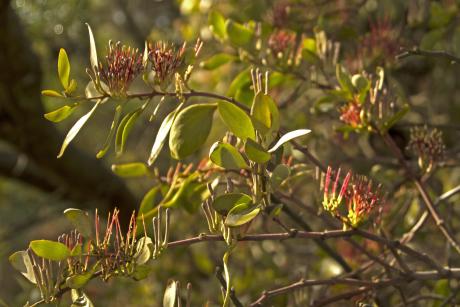
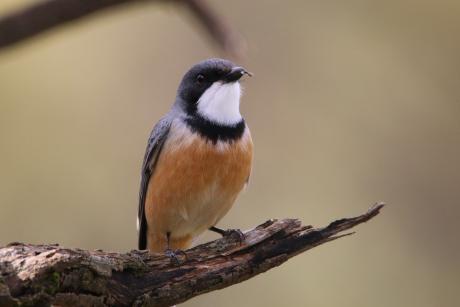 Ten brave souls met at the Tourist Information Centre in Griffith trusting in my ability to get us to McCann Road.