

Glossy Black Cockatoo Count - March 2021
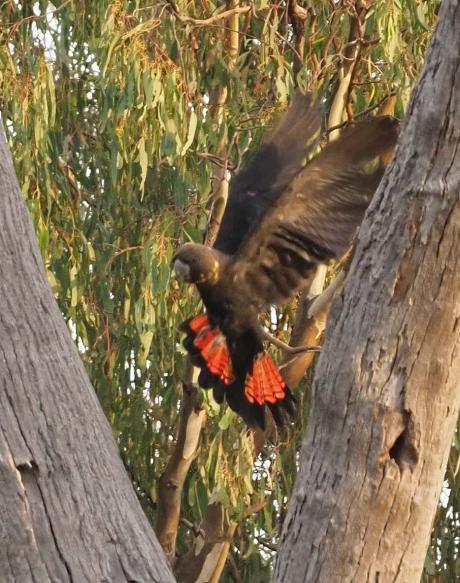 The Count was conducted a few weeks later than usual. We all probably wished that we hadn’t done it at all when the wind blew up and bent the trees in half.
I think that this year we were counting breeding pairs and perhaps a young one hanging around from last year (maybe to learn the ropes). This thinking makes it more significant than ever.
One pair from the Narrandera Hills is already nesting which makes it an early starter. Most birds have already paired up and are getting ready to nest by finding a hollow that she approves of. Some of the birds in Rankins Springs are just getting going. When she finds a suitable nest, she finally lays her one maybe two eggs. She stays in her hollow and he comes past and feeds her every evening. She’s hanging out for a feed by the time he comes and starts calling. This could also be so that he doesn’t get lost.
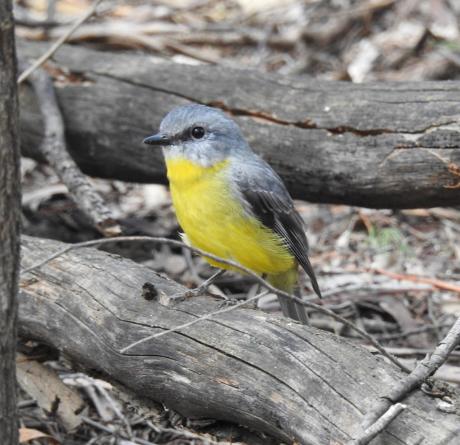 This was a combined outing with the local Camera Club and was very well attended by both groups.
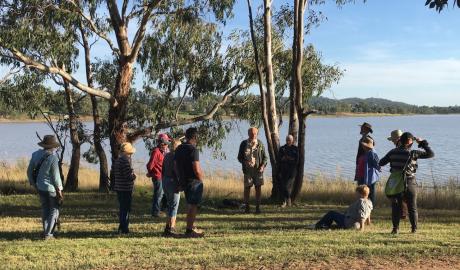 The Wagga Wagga Chapter of Murrumbidgee Field Naturalists began officially on 7 December 2020 when Alan Whitehead President of MFN’s was guest speaker at a meeting with local nature and bird enthusiasts held in Wagga Wagga.
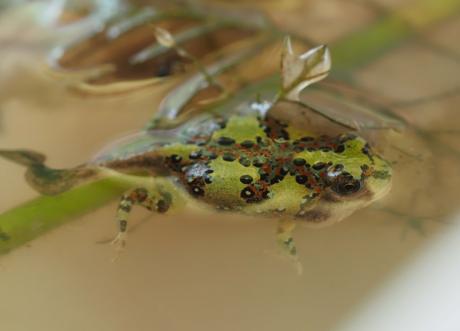 Nella and myself have been taking advantage of the wetter than usual summer to see what frogs are around Narrandera this year. A few locals have joined us on our forays and have enjoyed learning about frogs and the Frog ID app.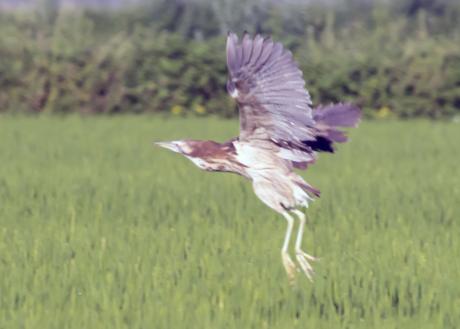
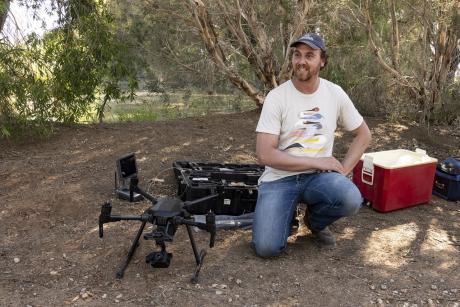 Anna Wilson (Local Land Services) and Matt Herring invited members of the MFN to visit a rice farm and to see firsthand the latest methods used by Matt in locating bittern nests in the rice crops.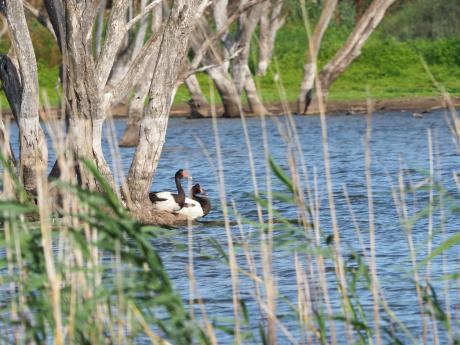
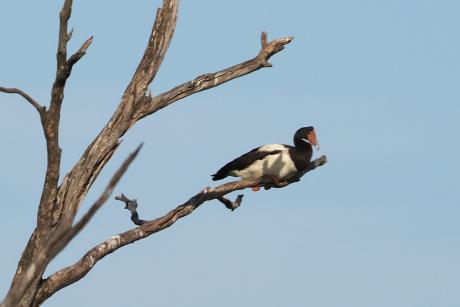 Ten of us met at 7.30am at the Campbell's car park. Defying all predictions about 42 degrees that day, we nonetheless looked forward to getting in at least 4 hours before the heat got too much.
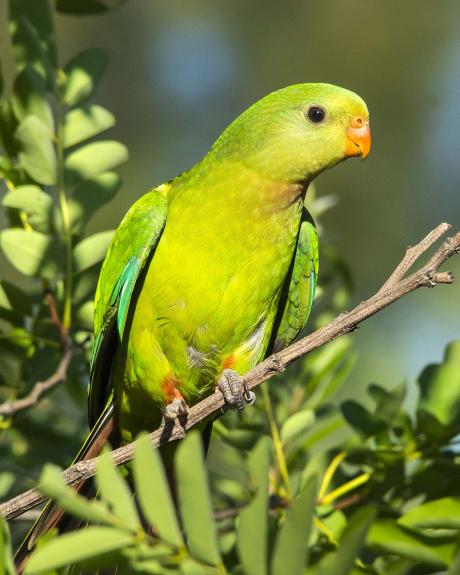 Few places, if any, in other parts of the country can boast of so many without travelling a long distance to see more. What is of concern though is the difficulty these past few years in tracking down what once was easy-to-see species like Turquoise and Mulga Parrots. The Mulgas are still about but not in the numbers they were a few years ago prior to the last drought. With Wattle Dam dry for the latter part of 2019 and the early part of 2020, these once common species seem to have moved elsewhere. Even with the local dams now full, the birds are still not being seen in the numbers they once were.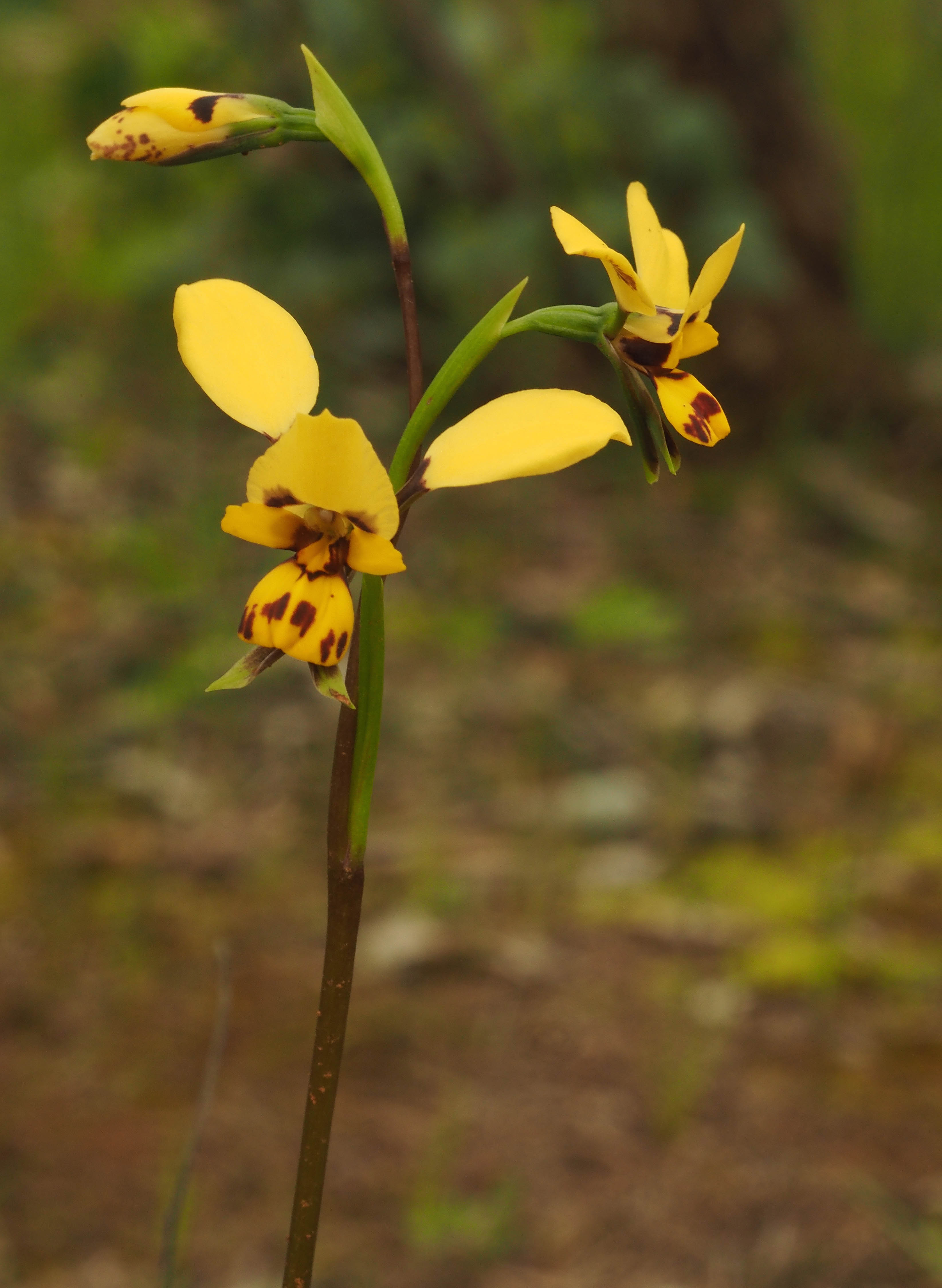
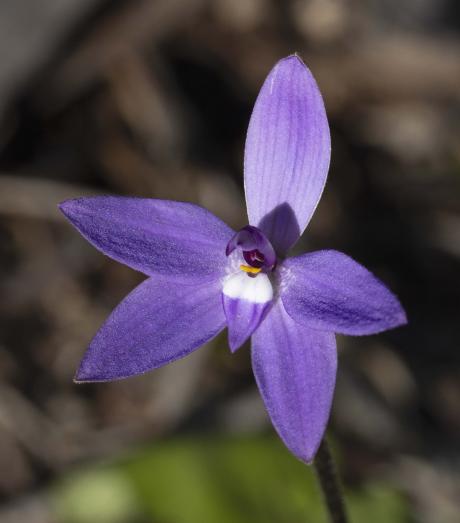 Some field naturalist outings can be defined by a signature event. This is one in which fellow attendees nod knowingly when a certain phrase, in context, is uttered – even years later!
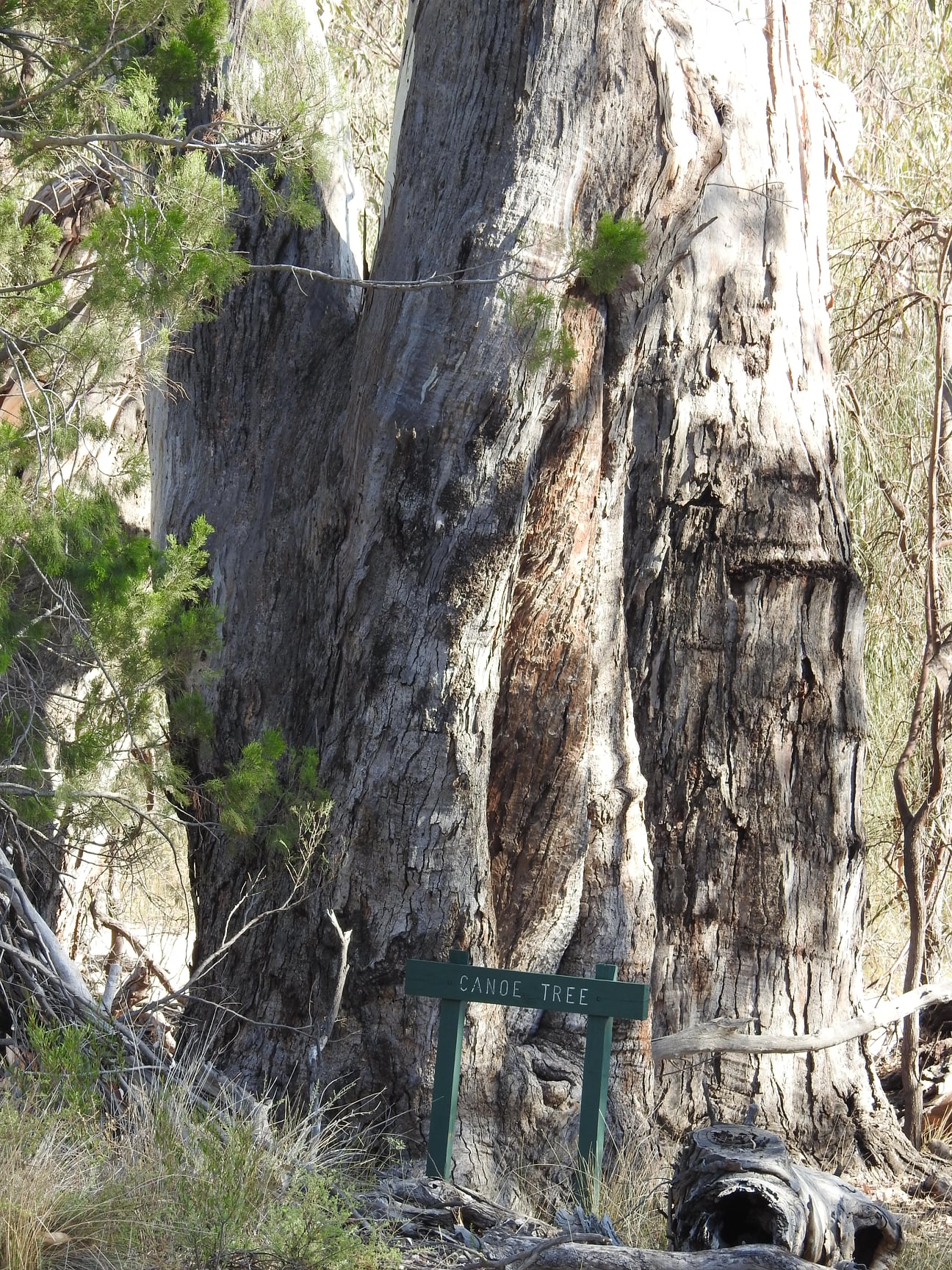 When I looked through all the photos I have collected over the last few years I came across so many photos of beautiful trees that had so many different purposes in our local landscape.
 Narrandera Landcare started doing quarterly bird surveys at the Narrandera Wetlands 18 months ago and we are very appreciative of the help Alan and Nella give us to compile the surveys. We use the handy Birdata app and usually record around 30 species. Our last survey was 2 July 2020 and we observed 31 species.